
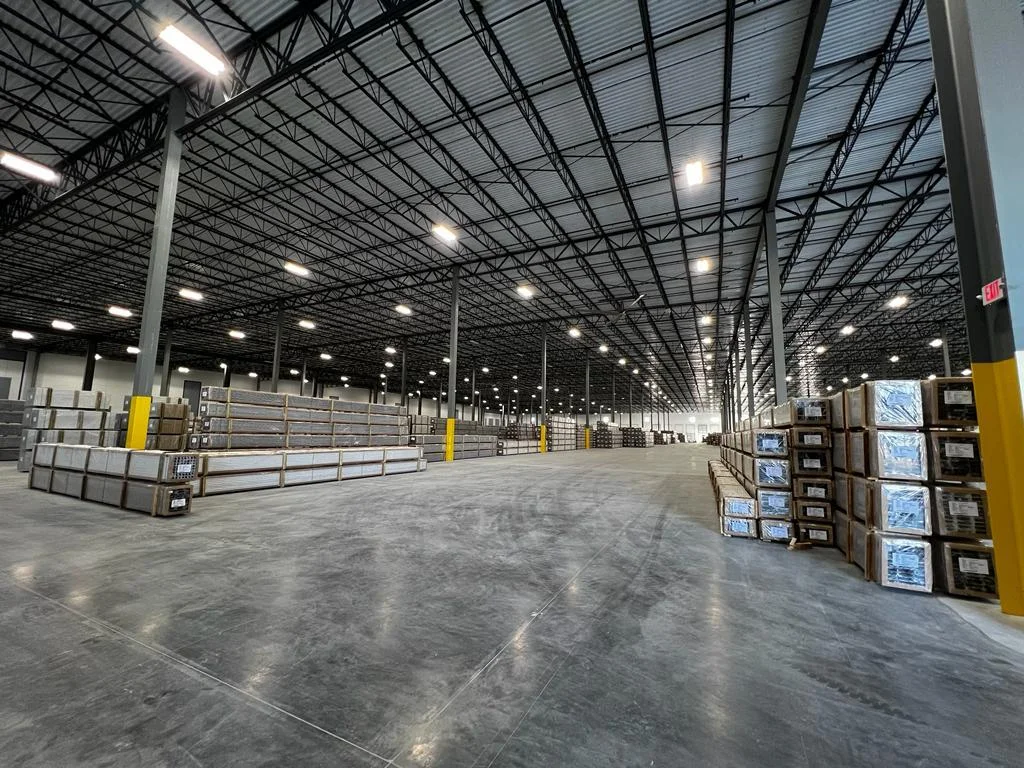
Choosing the right aluminium extrusion export supplier is an important decision for global buyers. For many B2B projects, aluminium profiles are not just standard materials. They are part of a larger system that affects assembly, durability, production efficiency, and long-term project performance.
Because of this, buyers should not only compare price. Before placing an order, it is important to check the supplier’s manufacturing capability, product consistency, finishing options, export experience, and ability to support custom requirements.
A reliable aluminium extrusion supplier should be able to provide stable quality, clear technical communication, and production support from profile design to final delivery.
Why Choosing the Right Aluminium Extrusion Export Supplier Matters
Global buyers often need aluminium profiles for construction, industrial applications, solar mounting systems, furniture systems, transportation, and customized components. Each project may require different dimensions, alloy selection, surface finishing, tolerance control, and fabrication process.
If the aluminium extrusion manufacturer cannot maintain consistency, buyers may face problems during assembly, installation, or repeat ordering. Even small dimensional differences can affect how the profiles fit with other parts.
For export projects, supplier reliability is also important because international orders usually involve larger quantities, shipping schedules, documentation, and long-term supply planning.
Check the Manufacturer’s Production Capability
Before ordering, buyers should understand whether the supplier is only a trading company or a real aluminium extrusion manufacturer. A manufacturer with in-house production capability can usually provide better control over quality, lead time, and technical adjustments.
Production capability may include billet preparation, extrusion, die development, surface finishing, fabrication, quality inspection, and packing. The more integrated the process is, the easier it is to control consistency from raw material to finished profile.
For custom aluminium extrusion projects, this is especially important because the supplier must understand the profile drawing, die design, tolerance requirements, and application purpose.
Review Custom Aluminium Extrusion Support
Many global buyers need more than standard aluminium profiles. They may require custom shapes, specific thickness, special surface treatment, or additional fabrication such as cutting, drilling, punching, or machining.
A strong custom aluminium extrusion supplier should be able to review drawings, check technical feasibility, recommend suitable alloy options, and support production based on project requirements.
This helps buyers reduce unnecessary design revisions and avoid production issues after the order is placed.
Evaluate Quality Control and Dimensional Consistency
Quality control is one of the most important factors when choosing an aluminium extrusion supplier. Buyers should check how the supplier controls profile dimensions, surface quality, mechanical performance, and finishing consistency.
For industrial and export markets, aluminium profiles must remain consistent across production batches. This is important for repeat orders, assembly systems, and large-scale projects where every profile needs to fit properly.
A reliable aluminium profile exporter should have proper inspection procedures before packing and shipment. This includes checking dimensions, surface defects, finishing quality, and product quantity.
Check Surface Finishing Options
Surface finishing affects both appearance and performance. Depending on the project, aluminium profiles may require mill finish, anodizing, powder coating, or other finishing options.
For outdoor applications, finishing quality is especially important because the profiles may be exposed to sunlight, rain, humidity, and changing weather conditions. For architectural and decorative applications, color consistency and surface appearance are also key factors.
Before ordering, buyers should confirm which finishing options are available and whether the supplier can maintain consistent finishing quality for repeat production.
Confirm Export Experience and Documentation
Export experience is another important factor when selecting an aluminium extrusion export supplier. International buyers need a supplier that understands packing standards, shipment preparation, and export documentation.
Good export handling helps reduce shipping problems, product damage, and communication delays. Proper packing is also important because aluminium profiles are often long, sensitive to scratches, and must arrive in good condition.
A supplier that is experienced with aluminium profiles for export market will usually understand how to prepare goods for international delivery more efficiently.
Consider Communication and Technical Support
Good communication can save time and reduce mistakes. Before production starts, buyers usually need to confirm drawings, alloy, finishing, quantity, packing method, tolerance, and delivery schedule.
A reliable supplier should be able to respond clearly and provide practical technical input. This is important for custom aluminium extrusion projects where small details can affect the final product.
For global buyers, clear communication is also important because the order process may involve different time zones, shipping requirements, and documentation procedures.
Why Aluminium Extrusion from Indonesia Can Be a Strategic Option
Aluminium extrusion Indonesia has become increasingly relevant for buyers looking for alternative sourcing options in Asia. Indonesia has access to industrial manufacturing capacity, export routes, and growing aluminium processing capability.
For buyers who need aluminium profiles for construction, industrial, or custom applications, working with an aluminium extrusion manufacturer in Indonesia can be a practical option when the supplier has strong production control and export readiness.
Working with ALCA Metals
ALCA Metals supports aluminium extrusion projects for B2B applications, including custom aluminium profiles, industrial profiles, surface finishing, fabrication, and export-oriented supply.
With integrated manufacturing support, ALCA Metals helps buyers manage aluminium extrusion requirements from technical review to finished profile preparation. This makes the sourcing process more efficient for companies that need consistent aluminium profiles for international projects.
Conclusion
Choosing the right aluminium extrusion export supplier requires more than comparing price. Global buyers should evaluate production capability, custom extrusion support, quality control, finishing options, export experience, and technical communication.
For long-term B2B projects, the best supplier is not only the one that can produce aluminium profiles, but the one that can deliver consistent quality, practical support, and reliable supply for every order.