
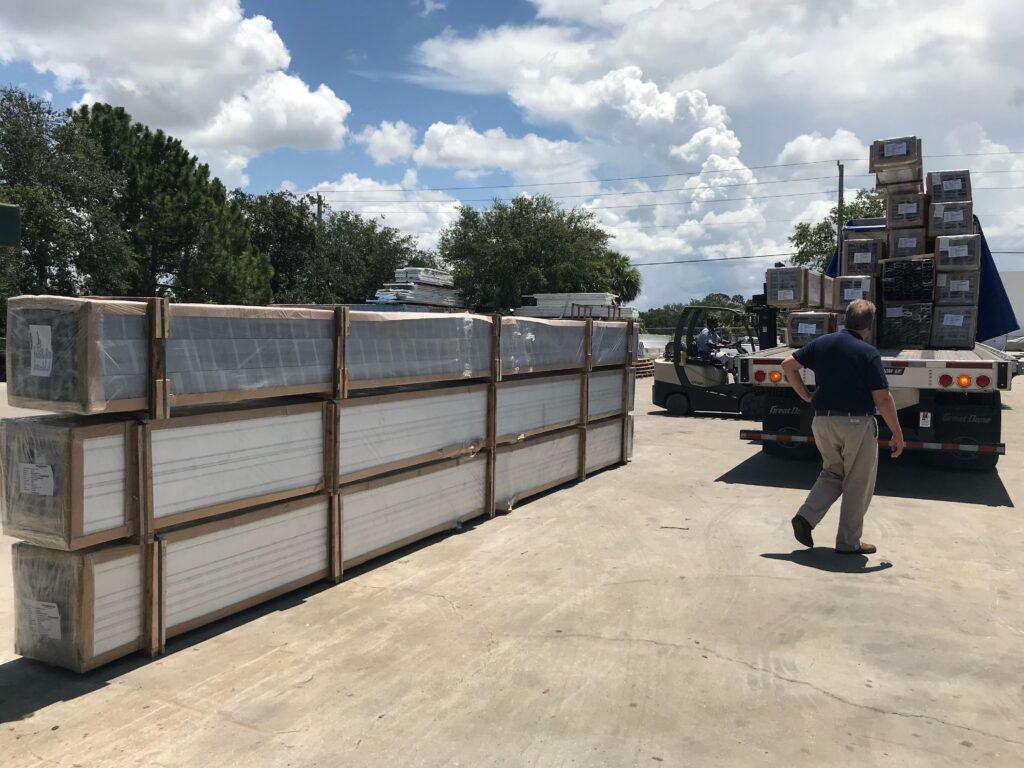
European demand for cost-competitive, high-quality aluminium components continues to grow across construction, industrial, and manufacturing sectors — and increasingly, that demand is being met through Aluminium Extrusion Asia. For importers evaluating Asian suppliers for the first time, understanding what separates a reliable export partner from a risky one can make the difference between a smooth supply chain and costly delays.
This guide walks through what European importers should know before placing their first order, from sourcing rationale through documentation and long-term supply reliability.
Why European Buyers Source from Aluminium Extrusion Asia
Cost Competitiveness Without Compromising Quality
Manufacturing costs in Southeast Asia remain significantly lower than in Western Europe, driven by production scale, labor costs, and energy pricing. When paired with an experienced manufacturer holding proper certifications, this cost advantage doesn’t have to come at the expense of quality — making Asian suppliers an attractive option for importers managing tight project margins.
Manufacturing Capacity and Flexibility
Many Asian extrusion facilities operate with substantial press capacity and are accustomed to handling both large production runs and smaller custom orders — offering European buyers flexibility that’s sometimes harder to find with domestic suppliers already operating at capacity.
Established Export Infrastructure
As demand has grown, Southeast Asian manufacturers have increasingly built out the export capability — documentation processes, container logistics, and freight partnerships — needed to serve international markets efficiently.
ALCA, for example, began shipping aluminium extrusion supplier Europe-bound orders to the United Kingdom starting in January 2025, including multiple full-container shipments of custom profiles — demonstrating the kind of scaled, repeatable export capability European importers should look for in a long-term sourcing partner.
What Importers Should Check Before Ordering
Before committing to a supplier, European importers should verify the following:
1. Manufacturing and Quality Certifications
Confirm the manufacturer holds relevant international quality management certifications and can provide test reports or mill certificates verifying alloy composition and mechanical properties.
2. Alloy and Temper Compatibility
Ensure the supplier can produce the specific alloy and temper combinations required for your application — European building codes and industry standards may specify particular material properties that not every manufacturer can meet.
3. Sample and Trial Order Process
A supplier willing to provide samples or accept a smaller trial order before committing to full container volumes signals confidence in their product and reduces risk for first-time importers.
4. References and Export Track Record
Ask for references from other European or international buyers, particularly those who have imported similar profile types or order volumes.
5. Communication and Responsiveness
Time zone differences and language barriers can create friction in cross-border sourcing. Evaluate how clearly and promptly a supplier communicates during the inquiry stage — it’s often a strong indicator of how they’ll handle issues after the order is placed.
Custom Aluminium Profile Requirements
Most importers sourcing aluminum extrusion export from Asia aren’t buying standard catalog shapes — they’re sourcing profiles engineered for a specific application. When working with a manufacturer on custom profiles, importers should be prepared to provide:
- Detailed technical drawings with dimensional tolerances
- Required alloy grade and temper specification
- Surface finish requirements (mill finish, anodized, powder coated)
- Applicable industry or regional standards the profile must meet
- Expected order volume and anticipated reorder frequency
A manufacturer with in-house die design capability can also advise on manufacturability early in the process, helping avoid costly redesigns after initial die development has already begun.
Export Documentation and Logistics
Proper documentation is one of the most common friction points in cross-border aluminium sourcing. Importers should confirm their supplier can reliably provide:
- Commercial Invoice and Packing List – Accurately reflecting order contents and value for customs clearance
- Certificate of Origin – Required for applicable trade agreements or preferential tariff treatment
- Bill of Lading – Documenting the shipment for the ocean freight carrier
- Mill Test Certificates – Verifying material composition and mechanical properties
- Packaging Compliance Documentation – Particularly relevant for wood packaging materials, which must meet international phytosanitary standards (ISPM 15)
Reliable suppliers typically manage full container load (FCL) shipments with established freight forwarding partners, helping ensure consistent transit times and reducing the administrative burden on the importing business.
Quality Consistency and Delivery Reliability
For importers, one successful shipment isn’t the goal — consistent quality and on-time delivery across repeat orders is what determines whether a supplier relationship is sustainable long-term. Key indicators of a reliable long-term partner include:
- Consistent dimensional tolerances and surface finish across multiple production batches
- Transparent production timelines with realistic lead time estimates
- Proactive communication if delays or production issues arise
- Willingness to support quality claims or resolve discrepancies professionally
Importers managing ongoing supply needs should treat the first few orders as a trial period, closely monitoring consistency before scaling up order volumes or reducing safety stock levels.
Why Southeast Asia Can Support European Supply Chains
Beyond individual supplier relationships, Southeast Asia’s broader manufacturing ecosystem offers structural advantages for European buyers building resilient, diversified supply chains:
- Supply Chain Diversification – Reducing reliance on any single sourcing region helps European buyers manage geopolitical and logistical risk
- Scalable Production Base – A growing manufacturing sector capable of supporting both project-based orders and long-term recurring supply contracts
- Improving Trade Infrastructure – Expanding port capacity and shipping routes connecting Southeast Asia to major European ports
- Competitive Total Landed Cost – Even accounting for freight and duties, total landed costs often remain competitive against domestic European production for many product categories
As more European importers look to diversify their aluminium sourcing beyond traditional markets, established Southeast Asian manufacturers with proven export experience are well-positioned to become long-term supply partners.
Final Thoughts
Successfully sourcing aluminium extrusion export from Asia requires more than finding the lowest price per kilogram — it requires evaluating a supplier’s manufacturing capability, documentation reliability, and track record of consistent delivery. Importers who take the time to properly vet their supplier upfront, starting with sample orders and clear technical specifications, are far better positioned to build a stable, long-term supply relationship.
Looking for a reliable aluminium extrusion supplier for your European import business? Contact our team to discuss your project requirements and export process.